
Longwood, FL Residential Real Estate: Trends and Insights for Buyers in 2026
Longwood, FL occupies a strategic corner of Seminole County, with tree-lined streets, strong schools, and convenient access to Orlando employment centers. According to U.S. Census QuickFacts, Longwood’s population stands in the range of 17,000 to 18,000 residents, supporting a stable, small-city housing demand profile. Proximity to Interstate 4, Ronald Reagan Boulevard, and State Road 434 allows residents to reach Downtown Orlando in roughly 20 to 25 minutes, which continues to shape buyer interest heading into 2026.
How Is Longwood FL Residential Real Estate Pricing Shaping Up for 2026?
Pricing across Longwood neighborhoods such as Sabal Point, The Springs, and Sweetwater Oaks reflects limited developable land and consistent demand. According to Zillow, typical Longwood home values cluster in a broad band between $380,000 and $520,000 as of late 2025, depending on age, size, and condition. Communities west of Markham Woods Road, including Alaqua Lakes near Longwood, often command premiums over $800,000 for larger golf course and estate-style properties.
Entry-level buyers often focus along State Road 434 and near Longwood Elementary School, where townhomes and smaller single-family homes can list between $325,000 and $400,000, based on recent data from Redfin. At the upper end, gated enclaves like The Springs and Sweetwater Oaks record occasional sales above $1.3M, with rare estate transactions approaching $2.4M for extensively renovated, lakefront properties with docks and expansive outdoor living areas.
According to market overviews by Realtor.com, Longwood’s list-to-sale price ratios often hover near 98% to 100%, indicating limited negotiation room in well-priced segments. Days on market in 2025 generally fall in a range of 25 to 40 days for competitively positioned homes, with renovated properties near South Seminole Hospital and the Longwood SunRail Station frequently moving at the faster end of that spectrum.
Which Longwood Neighborhoods and Streets Are Driving Buyer Demand?
Several distinct pockets drive Longwood FL residential real estate demand. The Springs, located off State Road 434, features natural springs, mature oaks, and private, guard-gated streets like Springs Boulevard and Riverbend Drive. Nearby Sabal Point offers winding roads such as Sabal Palm Drive and Grandview Place, with golf course views and access to Wekiva Springs State Park less than 6 miles away. According to Walk Score, central Longwood posts scores in the mid-40s, with pockets near the SunRail station trending higher.
Late in the afternoon, Reiter Park’s lake shimmers beside Church Avenue as families gather near the playground and the scent of grilled food drifts from weekend food trucks. The sound of children at the splash pad mixes with distant train horns from the Longwood SunRail Station, giving the area near Ronald Reagan Boulevard an active but relaxed rhythm. Streetlights along Wilma Street flicker on as the air cools, and the historic brick storefronts around the Longwood Historic District glow softly.
To the north, neighborhoods off Markham Woods Road, including sections bordering Heathrow and the Markham Woods Corridor, appeal to buyers seeking larger lots and shaded cul-de-sacs. South of State Road 434, areas around Candyland Park and Longdale Park mix mid-century homes with newer infill construction, often at more accessible price points. Proximity to businesses such as Springs Plaza, Longwood Village Shopping Center, and restaurants along West State Road 434 keeps daily errands within a 5- to 10-minute drive for most residents.
How Do Schools, Parks, and Amenities Influence Longwood’s Housing Choices?
School zoning significantly guides search patterns in Longwood FL residential real estate. Lyman High School, located on Ronald Reagan Boulevard, and Rock Lake Middle School on Longwood Hills Road draw steady demand into surrounding streets. According to GreatSchools, several Longwood-area schools score between 7 and 9 out of 10, reinforcing buyer confidence in local public education options. Nearby private institutions, including Orangewood Christian School and St. Mark’s School, add additional pathways for households prioritizing education.
Parks also reinforce neighborhood appeal. Reiter Park, Candyland Park, and Arbor Dog Park collectively provide more than 40 acres of recreation within city limits, according to the City of Longwood Parks and Recreation listings. Wekiva Springs State Park sits roughly 7 miles away, while Rock Springs Run State Reserve lies about 14 miles northwest. These outdoor resources support hiking, paddling, and weekend outings that often factor into long-term housing decisions, particularly for residents seeking balance between suburban living and natural areas.
On cool mornings at Candyland Park along North Country Club Road, the smell of fresh-cut grass hangs in the air as tennis balls thud rhythmically against clay courts and soft conversation drifts from the shaded picnic pavilions. The metallic clink of bats from the baseball fields echoes toward nearby homes along North Grant Street, while dew still sparkles on the outfield. From the adjacent walking trail, the rustle of oaks and palms creates a calm backdrop that highlights the park’s connection to neighboring streets.
What Market Conditions and Financing Trends Are Shaping 2026 Purchases?
Macro conditions continue to influence Longwood’s housing patterns. According to the National Association of Realtors, typical down payments for first-time buyers nationally average around 8% to 10%, while repeat buyers often contribute between 17% and 20%. FHA financing still permits minimum down payments as low as 3.5%, which can bridge the gap for purchasers targeting townhomes near South Seminole Hospital or condos along U.S. Highway 17-92.
Inventory remains an important factor. Data from Redfin indicates Longwood often carries only 1.5 to 2.5 months of supply in many price brackets, a level typically associated with a seller-leaning market. Homes near key employment corridors, including the industrial parks closer to 33rd Street in Orlando and medical facilities surrounding South Seminole Hospital, tend to experience elevated competition when priced correctly, particularly between March and June.
Mortgage rate movements remain critical for 2026 planning. According to national tracking by Freddie Mac, average 30-year fixed rates in 2025 fluctuated within a band of roughly 6% to 7%. Even modest declines of 0.5 percentage points can alter affordability calculations by tens of thousands of dollars in purchasing power, especially for properties in high-demand areas like The Springs and Markham Woods Road communities.
How Important Are Transportation Access and Future Growth for Longwood Buyers?
Transportation connectivity plays a central role in Longwood FL residential real estate decisions. The Longwood SunRail Station, located near Ronald Reagan Boulevard and Church Avenue, provides commuter rail access south to Downtown Orlando and north toward DeBary. According to SunRail, weekday trains typically run at intervals of roughly 30 to 60 minutes during peak periods. Homes within a 1-mile radius of the station often draw attention from professionals seeking alternatives to daily highway driving.
Road access remains equally important. Interstate 4 interchanges at State Road 434 and State Road 436 place Longwood within about 12 to 15 miles of Downtown Orlando, the Maitland business district, and Altamonte Springs retail centers such as Altamonte Mall. Streets like Longwood Hills Road, Rangeline Road, and Douglas Avenue connect residential pockets to these corridors, enabling commute times often under 35 minutes, depending on traffic and time of day.
Future growth discussions focus on careful redevelopment rather than large-scale sprawl. The Longwood Historic District’s guidelines along West Warren Avenue and Church Avenue encourage preservation of century-old structures while allowing adaptive reuse for offices, cafés, and boutiques. Planned enhancements around Reiter Park and the SunRail station area aim to strengthen walkable links between housing, parks, and local businesses, reinforcing the city’s small-scale urban core without overwhelming existing neighborhoods along Wilma Street and Milwee Street.
The population figure in the range of 17,000 to 18,000 cited at the start of this guide reflects a community large enough to support diverse services yet compact enough to maintain neighborhood-scale streets and parks. That opening statistic underscores how stable demand, combined with constrained land, continues to shape pricing and competition across Longwood’s varied enclaves. The Orlando Regional Realtor Association monthly market reports provide detailed insights into inventory shifts, absorption rates, and contract activity across Seminole County, including Longwood. Buyers who monitor those releases closely and submit showing requests within 24 to 48 hours of promising listings during the spring 2026 activity surge stand a significantly higher chance of securing preferred Longwood properties before competing contracts arrive.
FROM OUR BLOG
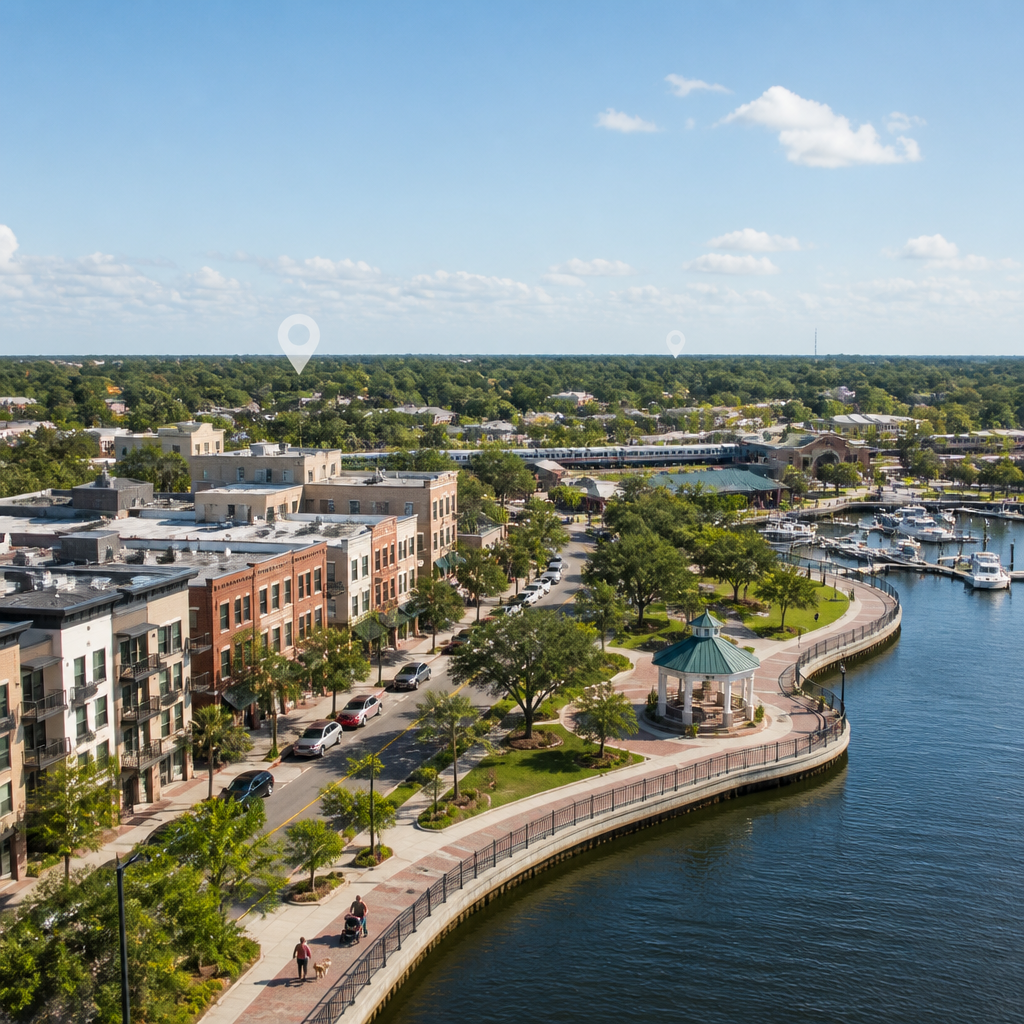
Moving to Sanford, FL: Essential Tips for New Residents in 2026
Moving to Sanford, FL: Essential Tips for New Residents in 2026 Relocating to Sanford, FL in 2026 offers historic charm along Lake Monroe with practical modern conveniences. According to U.S. Census Bureau estimates through 2023, Sanford’s population stands near 61,000, reflecting steady growth acro
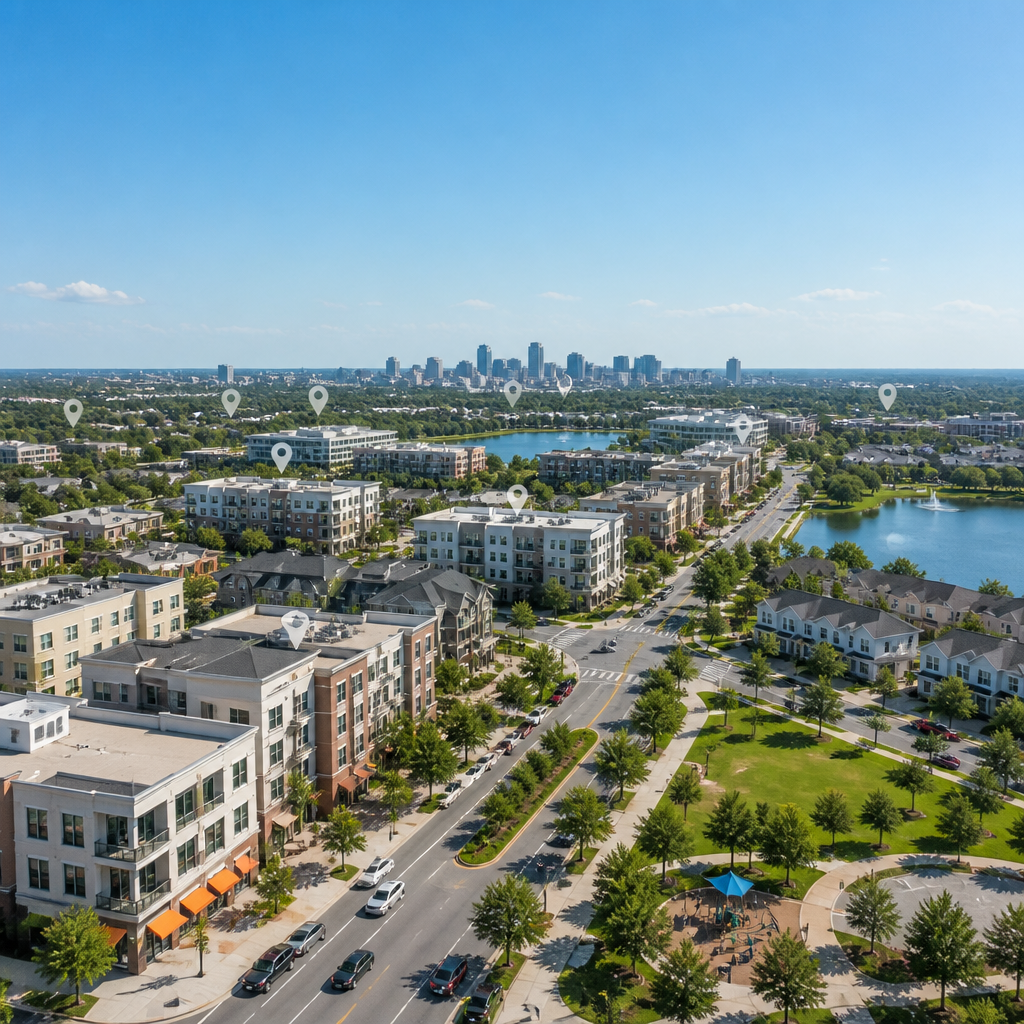
Navigating Military Relocation in Orlando: A Comprehensive Guide for 2026
Navigating Military Relocation in Orlando: A Comprehensive Guide for 2026 Military relocation orders add urgency to every housing decision, especially in a fast-growing market like Orlando. According to Military OneSource, more than 400,000 service members complete a permanent change of station move