
Navigating Military Relocation in Orlando: A Comprehensive Guide for 2026
Military relocation orders add urgency to every housing decision, especially in a fast-growing market like Orlando. According to Military OneSource, more than 400,000 service members complete a permanent change of station move each year across the United States. Orlando military relocation services focus on aligning those tight timelines with on-the-ground realities around Lake Nona, Baldwin Park, and the Conway and SODO districts. Understanding commute patterns, school options, and the benefits of VA financing in 2026 helps families turn rapid orders into a structured, informed transition.
How do Orlando military relocation services coordinate with nearby installations and commands?
Central Florida hosts critical defense and simulation commands rather than a single large base, which shapes relocation logistics. The Naval Air Warfare Center Training Systems Division on Science Drive and the adjacent Army and Air Force simulation commands draw active-duty members and contractors from across the country. According to National Center for Simulation data, more than 60,000 jobs in the Orlando region connect to modeling, simulation, and training. Orlando military relocation services often begin by mapping housing options to the specific gate or facility tied to a service member’s daily reporting location.
Many incoming families also rotate through connected installations such as Patrick Space Force Base near Cocoa Beach or MacDill Air Force Base in Tampa. The drive from Lake Nona to Patrick Space Force Base is roughly 65 to 70 miles via State Road 528, while MacDill sits about 85 miles west along I-4 and the Selmon Expressway. Relocation-focused agents evaluate whether a short-term rental near Orlando International Airport or the Lake Underhill corridor offers better flexibility than immediately purchasing near Baldwin Park or Avalon Park.
Late afternoons along Lake Nona Boulevard near the Orlando VA Medical Center bring a steady hum of traffic and the distant roar of aircraft rising from Orlando International Airport. The sun glints off the glass facade of Nemours Children’s Hospital, and the warm air carries a faint smell of coffee from cafés along Laureate Boulevard. Sidewalks around Crescent Park fill with joggers, strollers, and leashed dogs, giving relocating service members a tangible sense of daily life between medical facilities, schools, and neighborhood amenities.
Which Orlando neighborhoods align best with military commute and lifestyle needs?
Neighborhood selection often begins with commute analysis. For those assigned to the Orlando VA Medical Center or simulation commands near University Boulevard, Lake Nona and Vista Lakes typically keep commute times under 25 to 30 minutes during standard traffic. According to Walk Score, central Orlando neighborhoods such as Thornton Park score in the range of 85 to 90 for walkability, appealing to residents who prioritize cafés, parks, and groceries within a short stroll. Baldwin Park, anchored by Lake Baldwin and Lake Baldwin Park, blends suburban streets with town-center conveniences.
Families focusing on Orange County Public Schools often evaluate zones for Lake Nona High School, Timber Creek High School near Avalon Park, or Boone High School just south of downtown. According to Orange County Public Schools, the district serves more than 200,000 students across over 200 schools, prompting relocation specialists to highlight boundary maps early in the search. GreatSchools ratings, such as an 8 out of 10 score for Lake Nona High School noted by GreatSchools, often factor into neighborhood comparisons.
Evenings in Thornton Park along Washington Street and Summerlin Avenue showcase Orlando’s softer side, far from the noise of training simulators. Patio lights cast a warm, golden glow over sidewalk tables outside Eola Wine Company as the scent of grilled food drifts into the slightly humid air. From nearby Lake Eola Park, the gentle splash of the fountain and the rustle of palm fronds frame views of the downtown skyline, giving incoming military families a sensory preview of off-duty hours.
How do VA and FHA loans support military buyers in Orlando’s 2026 market?
Financing strategy often determines whether a service member can synchronize closing with report dates. VA home loans remain a core tool. According to the U.S. Department of Veterans Affairs at VA.gov, eligible borrowers can obtain a VA purchase loan with 0% down payment in many situations and without private mortgage insurance. In Orlando, that structure helps offset property tax and insurance costs in areas like Conway, Belle Isle, and the SODO district, especially for households managing single-income periods during deployment or training cycles.
Some relocating service members combine VA entitlement with FHA or conventional options when purchasing townhomes around Lake Underhill or condos near the 101 Eola building downtown. According to the U.S. Department of Housing and Urban Development on HUD, FHA-insured loans permit minimum down payments as low as 3.5% for qualified borrowers, subject to credit and loan limits. That flexibility can assist dual-military or civilian-contractor households who prefer to preserve VA entitlement for a later move to another duty station.
Understanding timelines for entitlement restoration is equally important. Guidance from VA.gov notes that full entitlement can often be restored after a sale and payoff, enabling another VA-backed purchase at a future assignment. In Orlando, that often means strategic decisions about whether to buy a single-family home near Conway’s Gatlin Avenue corridors or a lower-maintenance townhome near Valencia College Downtown Campus, considering likely 3 to 4 year tour lengths.
What rental and short-term housing options support staged relocations in Orlando?
Not every military relocation to Orlando results in an immediate purchase. Short-term rentals along Semoran Boulevard, Conway Road, and Curry Ford Road often bridge the gap between arrival and a later closing. According to Zillow data for late 2025, typical apartment rents across Orlando range roughly from $1,700 to $2,400 per month, depending on size and neighborhood. Orlando military relocation services frequently coordinate overlapping leases and temporary lodging allowances so that families can house-hunt around Lake Nona, Baldwin Park, or Winter Park without compressing decisions into a single weekend.
For some assignments, especially training cycles near UCF and the Central Florida Research Park, fully furnished corporate apartments along University Boulevard or Alafaya Trail provide a practical alternative. According to surveys compiled by Apartment List, furnished rentals can add $200 to $400 to monthly costs compared with unfurnished units of similar size. However, that premium can offset temporary storage fees and reduce the stress of shipping all household goods during back-to-back schools or short-duration assignments.
BAH rates frame many of these decisions. The Defense Travel Management Office, through official BAH tables, shows that the Orlando housing area provides allowances for an E-5 with dependents that generally fall between $2,100 and $2,400 per month, depending on the specific year and updates. Matching that allowance against rents in Lake Nona, Conway, and the SODO district helps relocation professionals recommend whether to rent, buy, or pursue base-adjacent options near Patrick Space Force Base.
How can military families plan daily logistics, schools, and transportation in Orlando?
Daily life planning extends beyond keys and contracts. Commute routes along State Road 417, State Road 528, and Colonial Drive shape both work schedules and family time. According to Orlando International Airport, more than 57 million passengers moved through the airport in 2023, which underscores the importance of understanding peak travel times around Jeff Fuqua Boulevard and Boggy Creek Road. Many military households choose Lake Nona, Belle Isle, or Conway for quick access to both Orlando International Airport and the Orlando VA Medical Center.
School and childcare logistics also influence neighborhood selection. Orange County Public Schools, through district reports, serve over 208 schools, including magnets and charters that can require lotteries or deadlines months before move-in. Before finalizing a lease on Hoffner Avenue or a purchase near Fort Gatlin Recreation Complex, families often align school choice windows, bus routes, and after-school programs. Proximity to recreational spaces such as Lake Eola Park, Lake Underhill Park, and Blue Jacket Park in Baldwin Park further supports stable routines during post-PCS adjustment periods.
Health care access remains another planning pillar. The Orlando VA Medical Center in Lake Nona anchors veteran services, while Orlando Health Orlando Regional Medical Center in the SODO district and AdventHealth Orlando near Mills Avenue expand specialty options. According to Orlando VA Health Care, the Lake Nona facility provides comprehensive primary and specialty care, reducing travel times for routine appointments. Coordinating residence locations near these corridors shortens drives that might otherwise stretch to 40 or more minutes during rush hours.
The 400,000 annual relocations cited at the start of this guide reflect the scale and repetition of military moves, and they highlight how structured planning in Orlando can convert compressed timelines into sustainable housing decisions. That same 400,000 figure from the opening underscores why consistent frameworks around financing, neighborhood selection, and commute mapping matter so deeply for service-connected households. The Orlando Regional Realtor Association provides market updates and professional standards that support informed, data-driven housing strategies. Buyers who register listing alerts through preferred portals, schedule property tours within 48 hours of promising listings, and submit fully documented VA or FHA preapprovals before the spring 2026 inventory surge position themselves to secure stronger terms. Households delaying those actions until after late summer 2026 risk facing tighter inventory, higher competing offers, and fewer viable options within preferred school zones and commute corridors.
FROM OUR BLOG
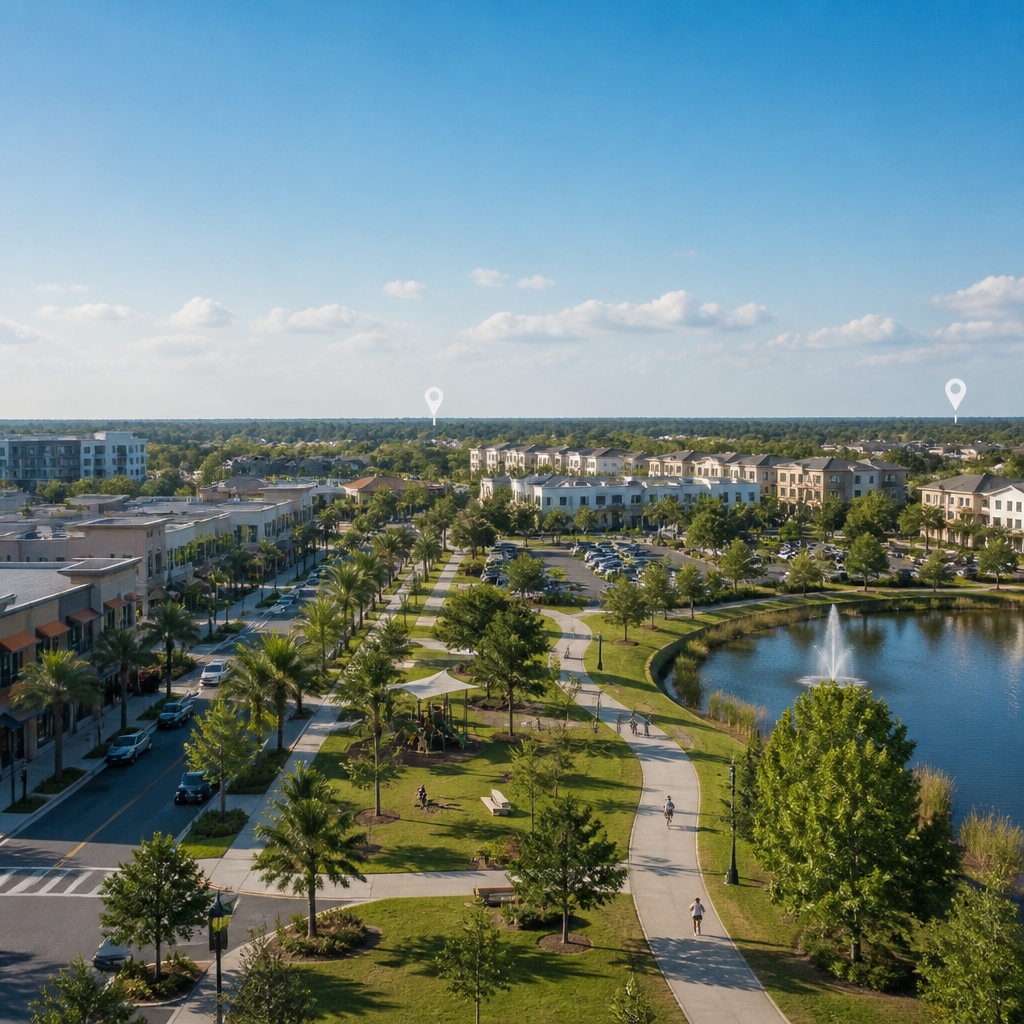

Longwood, FL Residential Real Estate: Trends and Insights for Buyers in 2026
Longwood, FL Residential Real Estate: Trends and Insights for Buyers in 2026 Longwood, FL occupies a strategic corner of Seminole County, with tree-lined streets, strong schools, and convenient access to Orlando employment centers. According to U.S. Census QuickFacts, Longwood’s population stands in
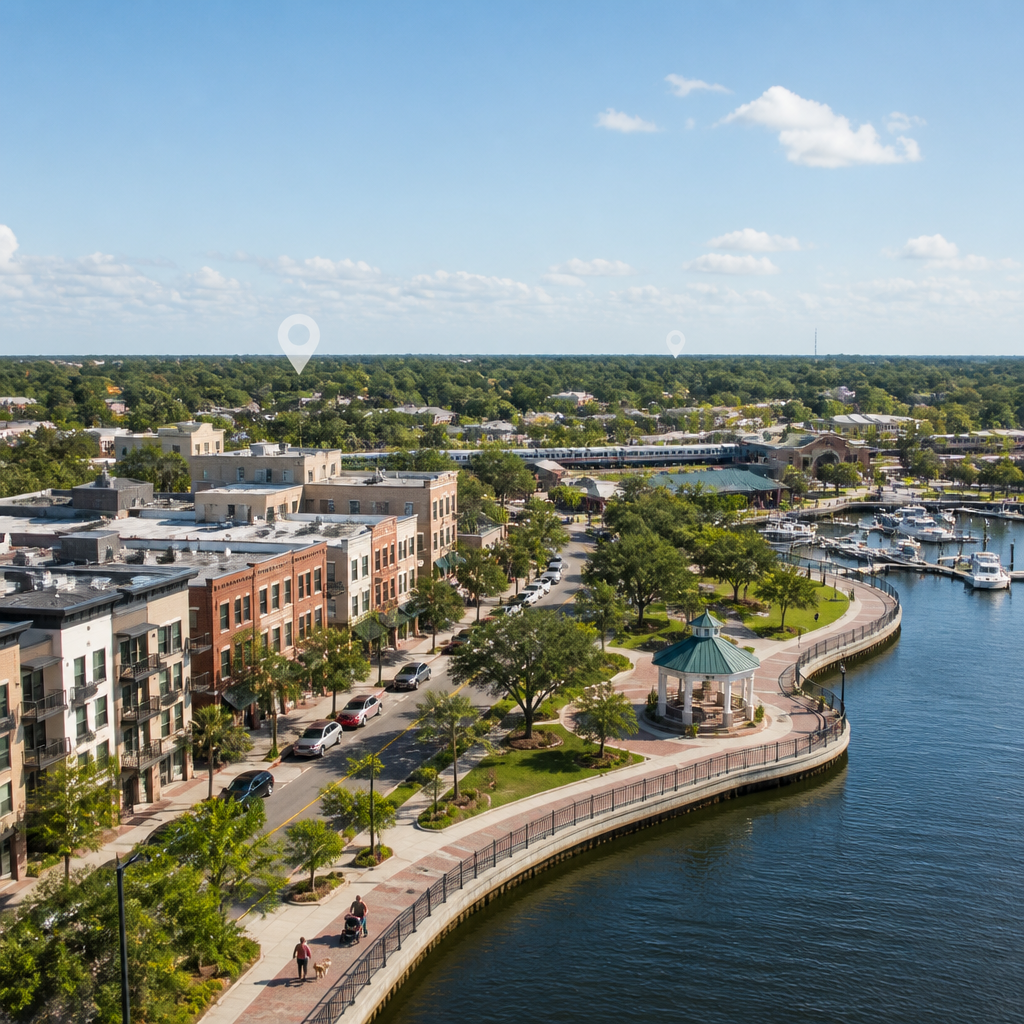
Moving to Sanford, FL: Essential Tips for New Residents in 2026
Moving to Sanford, FL: Essential Tips for New Residents in 2026 Relocating to Sanford, FL in 2026 offers historic charm along Lake Monroe with practical modern conveniences. According to U.S. Census Bureau estimates through 2023, Sanford’s population stands near 61,000, reflecting steady growth acro