
Moving to Sanford, FL: Essential Tips for New Residents in 2026
Relocating to Sanford, FL in 2026 offers historic charm along Lake Monroe with practical modern conveniences. According to U.S. Census Bureau estimates through 2023, Sanford’s population stands near 61,000, reflecting steady growth across the last decade. That expansion has supported new housing, restaurants, and riverfront improvements, while keeping a small-city feel. Understanding neighborhoods, schools, transportation, and local services in advance helps new residents settle in quickly and avoid common relocation frustrations.
What Should New Residents Know About Daily Life in Sanford?
Sanford’s core activity centers on Historic Downtown Sanford, stretching along First Street and Sanford Avenue toward the St. Johns River. Brick-lined sidewalks, restored storefronts, and the Sanford RiverWalk create a walkable environment for errands and entertainment. According to Walk Score data updated in 2024, central Sanford areas reach walkability scores in the mid-70s, while outlying neighborhoods remain more car dependent. Everyday essentials cluster near U.S. Highway 17-92 and State Road 46 with grocery stores, pharmacies, and medical offices.
Many residents structure routines around commute patterns and school schedules. The Sanford SunRail Station near Historic Downtown Sanford links the city to Maitland, Winter Park, and Downtown Orlando. According to SunRail, weekday trains typically run every 30 to 60 minutes during peak periods, offering an alternative to I-4 driving. Local bus connections and park-and-ride lots expand access for commuters living along Lake Mary Boulevard, Rinehart Road, and the Celery Avenue corridor.
Local services are anchored by institutions such as Central Florida Regional Hospital in nearby Lake Mary, the Seminole County Tax Collector office on Lake Mary Boulevard, and the Sanford branch of the Seminole County Public Library on Palmetto Avenue. Recreational routines often include visits to Fort Mellon Park, Park on Park, and Paw Park of Historic Sanford. The combination of civic resources, green space, and small businesses supports daily convenience without constant trips into Orlando.
How Do Sanford Neighborhoods and Schools Compare in 2026?
Sanford’s neighborhoods range from historic bungalows near Park Avenue to newer subdivisions off Orange Boulevard and Beardall Avenue. Areas close to Lake Monroe Park and the Sanford RiverWalk tend to feature older homes with porches, mature oaks, and narrower streets. Subdivisions near Markham Woods Road and Lake Mary Boulevard generally include larger lots, garages, and community amenities such as pools and playgrounds. Many new residents weigh architectural character against commute times and school zoning when choosing a street such as Mellonville Avenue, French Avenue, or Upsala Road.
School quality forms a major deciding factor. Seminole County Public Schools maintains strong regional rankings, and Sanford families often focus on zones for Seminole High School, Millennium Middle School, and Hamilton Elementary School. According to GreatSchools data reviewed in 2025, Seminole High posts above-average college readiness scores and offers more than 20 Advanced Placement and International Baccalaureate courses. Magnet and choice programs add further complexity to enrollment decisions.
On weekday afternoons, the area around Seminole High School hums with the sharp whistle of crossing guards and the low roar of dismissal traffic on Ridgewood Avenue. The air carries a mix of fresh-cut grass from nearby practice fields and faint exhaust from school buses lined along Sanford Avenue. Students filter toward Downtown Sanford, stopping at Henry’s Depot and Hollerbach’s Willow Tree Café, where clinking dishes and roasted garlic aromas create a distinct, energetic transition from school day to evening.
What Are Housing Costs and Commuting Options When Moving to Sanford, FL?
Housing costs in Sanford vary widely between historic cottages, townhomes, and master-planned communities near the St. Johns River. According to market ranges tracked by Redfin through early 2026, many entry-level condos and townhomes list between $220,000 and $320,000, with single-family homes more frequently falling between $340,000 and $500,000. Higher-end lakefront or riverfront properties along Lake Monroe, Mellonville Avenue, and Shoreline Circle can climb above $800,000, particularly when extensive renovations or docks are included.
Rental options also cover a broad spectrum. According to current ranges compiled by Apartments.com in late 2025, one-bedroom apartments in Sanford often lease between $1,300 and $1,700 per month, while three-bedroom single-family rentals frequently fall between $2,100 and $2,800. Newer luxury communities near Seminole Towne Center and along Rinehart Road can reach or surpass $3,000 for larger floor plans, particularly when on-site gyms and pools are included in the amenities package.
Commuting patterns depend on proximity to State Road 417, Interstate 4, and the Sanford SunRail Station. According to travel-time estimates from Google Maps routing in 2025, the drive from Downtown Sanford to Downtown Orlando typically ranges from 25 to 40 minutes depending on rush-hour congestion. Access to State Road 417 allows many residents in northwest Sanford and near Lake Mary Boulevard to reach Orlando International Airport in roughly 35 to 45 minutes under normal conditions.
How Can New Residents Make the Most of Recreation and Culture in Sanford?
Sanford’s recreation revolves around the water and historic core. The Sanford RiverWalk stretches several miles along Lake Monroe, connecting Fort Mellon Park to the marina and continuing toward Central Florida Zoo & Botanical Gardens. According to project details from the City of Sanford, multiple phases have added more than 3 miles of paved trail and new lighting since 2014. Boat ramps and fishing piers along the St. Johns River support weekend outings for anglers and paddlers.
On a mild winter evening along the Sanford RiverWalk, the sound of live music from Deviant Wolfe Brewing mixes with the soft splash of waves against docked boats at Monroe Harbour Marina. Streetlamps cast a golden sheen on the water, while the smell of smoked brisket from The Tennessee Truffle drifts across East First Street. Families push strollers past Fort Mellon Park’s playground, their footsteps echoing lightly on the boardwalk as cool air rolls off Lake Monroe.
Cultural life centers on Historic Downtown Sanford’s breweries, galleries, and events. Hollerbach’s Willow Tree Café, Wop’s Hops Brewing, and Tuffy’s Bottle Shop host frequent live performances, while the Wayne Densch Performing Arts Center offers concerts and community theater productions. According to the events calendar maintained by Historic Downtown Sanford, popular gatherings such as the monthly Alive After 5 and multiple annual festivals draw several thousand visitors during peak weekends, supporting local restaurants and retailers along Magnolia Avenue and Palmetto Avenue.
What Practical Steps Smooth the Moving to Sanford, FL Transition?
Successful relocation to Sanford often starts with early planning for utilities, permits, and services. Power typically comes from Duke Energy, while water and sewer service within city limits are handled by the City of Sanford Utilities department. According to current fee schedules from the City of Sanford Utilities, residential water and sewer base charges commonly fall in the range of $40 to $70 per month before usage. Many households budget an additional $120 to $200 monthly for electricity depending on home size and air-conditioning needs.
Transportation logistics also deserve early attention. Orlando Sanford International Airport sits just a few miles east of Downtown Sanford along Red Cleveland Boulevard. According to statistics from Orlando Sanford International Airport, the facility handled more than 3 million passengers in 2023, serving domestic and international destinations. Residents living near Celery Avenue or Lake Jesup often reach the terminal in under 15 minutes, while those in western Sanford and Lake Mary typically allow 25 to 35 minutes for airport trips.
New residents frequently coordinate movers, storage, and deliveries around neighborhood access. Narrower streets in Historic Downtown Sanford, such as Oak Avenue and Magnolia Avenue, may require smaller trucks or earlier arrival times. Gated communities along Markham Woods Road and near Markham Road often maintain access rules for commercial vehicles and require advance scheduling. Planning deliveries for mid-mornings and mid-week can shorten unloading times and reduce conflicts with school traffic near Millennium Middle School, Idyllwilde Elementary, and Wilson Elementary.
The 61,000-resident figure cited at the start of this guide reflects Sanford’s sustained growth and rising regional profile. That population scale balances big-city amenities with a navigable, historic core that remains accessible for daily routines. The Orlando Regional Realtor Association housing reports provide detailed, monthly snapshots of inventory, pricing bands, and contract activity across Seminole County. Buyers who register listing alerts through regional MLS-connected portals and schedule showings within 48 hours of promising Sanford listings before the spring surge in March typically secure stronger negotiating positions; households delaying decisions until late summer often face thinner options and higher competition.
FROM OUR BLOG
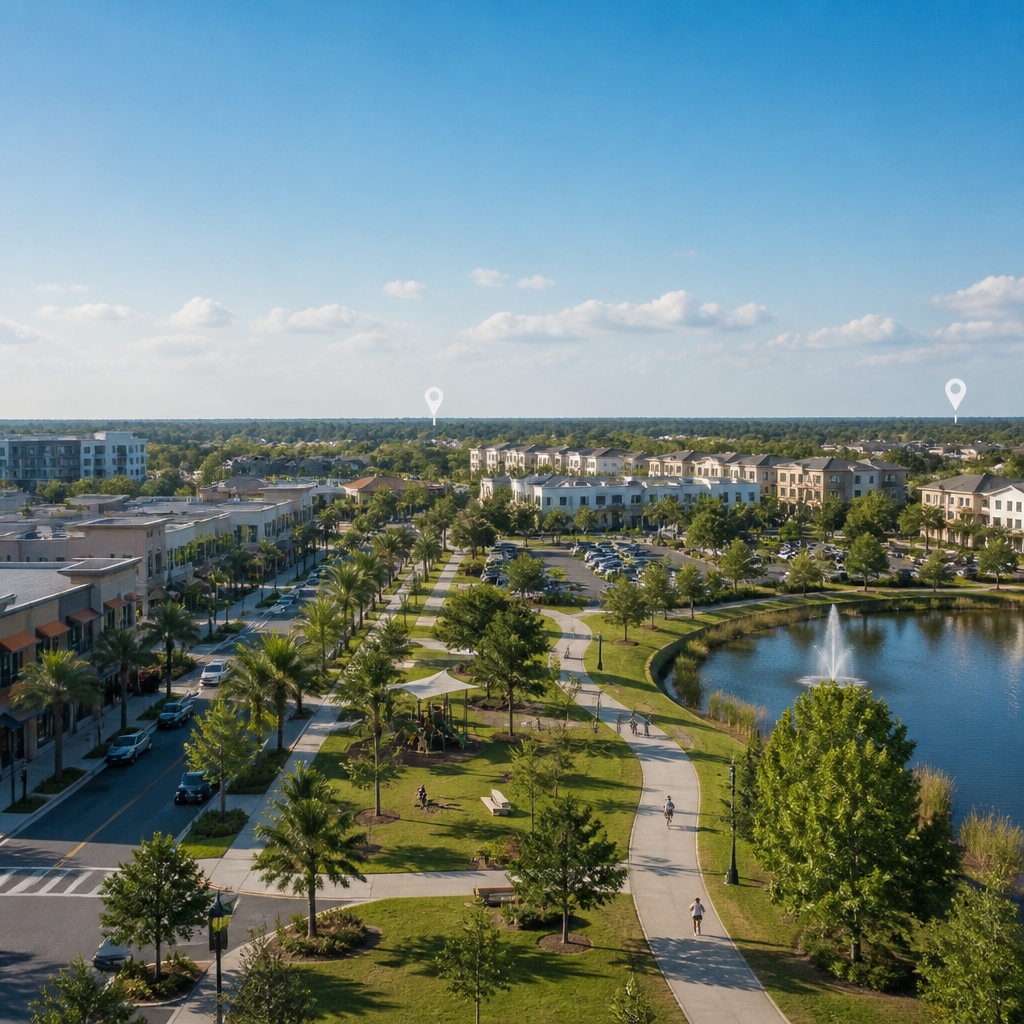

Longwood, FL Residential Real Estate: Trends and Insights for Buyers in 2026
Longwood, FL Residential Real Estate: Trends and Insights for Buyers in 2026 Longwood, FL occupies a strategic corner of Seminole County, with tree-lined streets, strong schools, and convenient access to Orlando employment centers. According to U.S. Census QuickFacts, Longwood’s population stands in
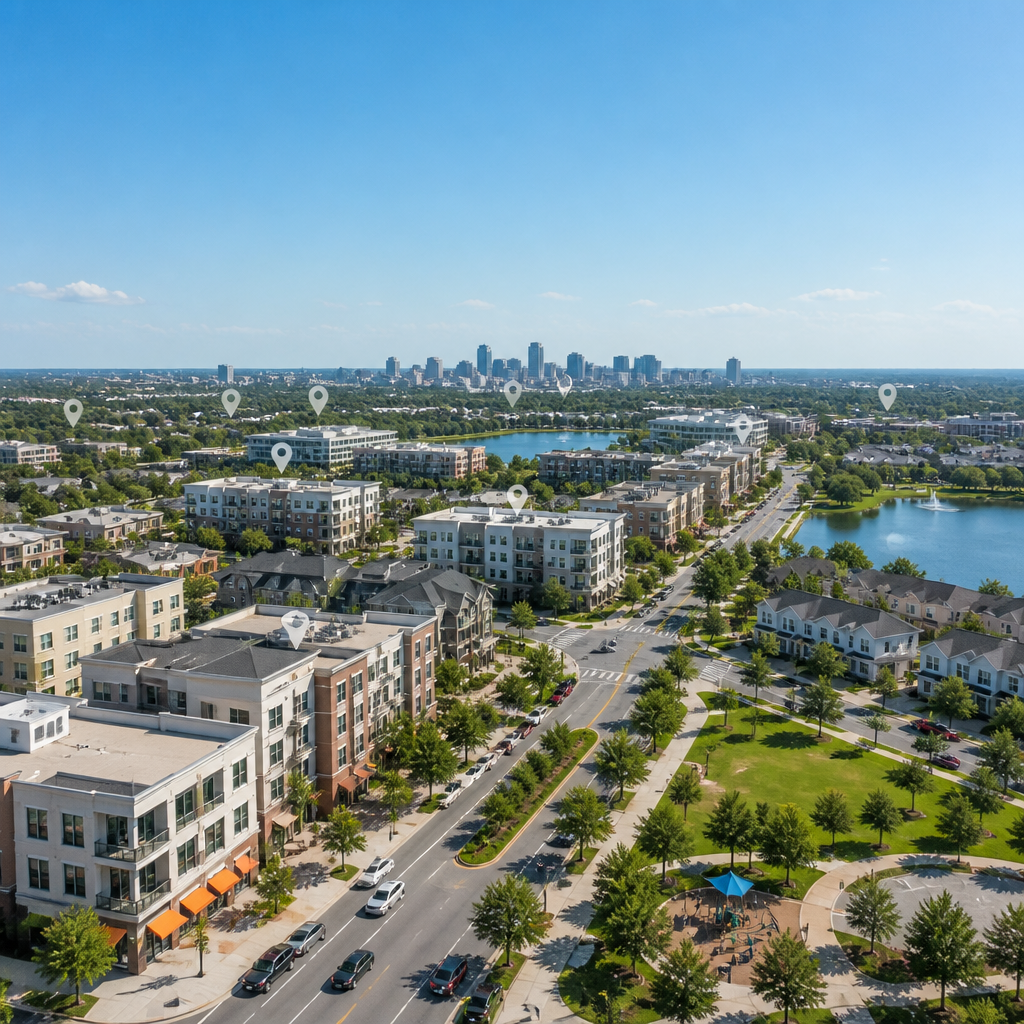
Navigating Military Relocation in Orlando: A Comprehensive Guide for 2026
Navigating Military Relocation in Orlando: A Comprehensive Guide for 2026 Military relocation orders add urgency to every housing decision, especially in a fast-growing market like Orlando. According to Military OneSource, more than 400,000 service members complete a permanent change of station move